Are Raccoons Dangerous? Diseases & Risks Illinois Homeowners Should Know
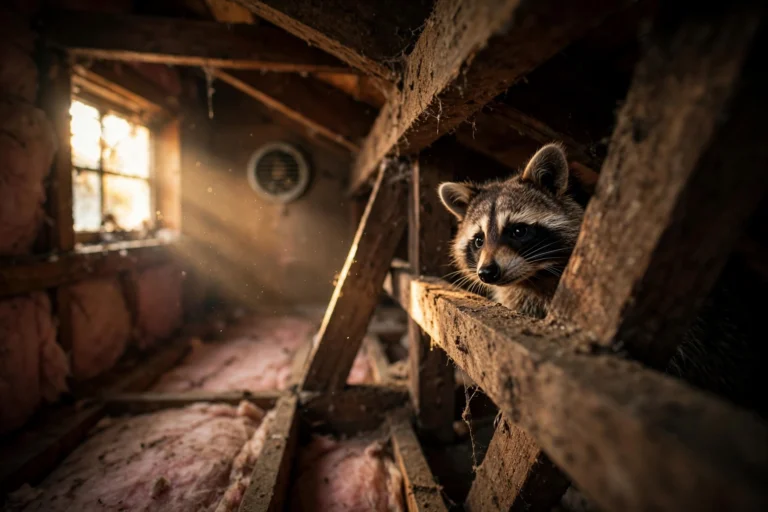
Hearing strange noises overhead at night? You’re not imagining things — and you’re definitely not alone. Raccoons in the attic are one of the most common wildlife problems for homeowners in Rockford and across Winnebago County. The tricky part: most people don’t realize what’s happening until the damage is extensive.
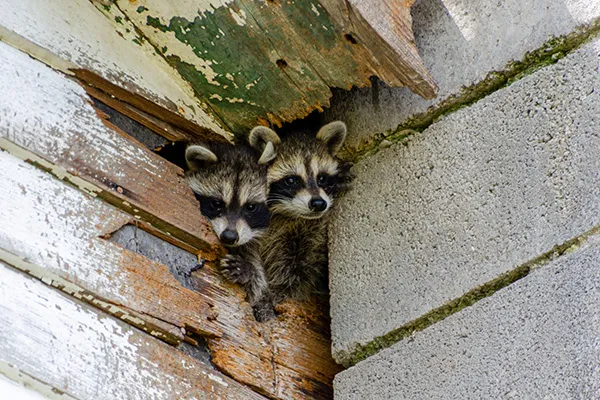
They look cute rummaging through the trash at night — but the raccoon living in your attic or under your deck is not a harmless neighbor. Raccoons can carry serious diseases, cause thousands of dollars in property damage, and become aggressive when cornered or protecting their young.
If you’re a homeowner in Rockford or anywhere in Winnebago County wondering whether that raccoon is actually dangerous, here’s the honest answer: yes, they deserve to be taken seriously. Here’s why — and what to do about it.
Rabies: The Biggest Concern
Raccoons are one of the most common rabies vector species in the United States. Rabies is almost always fatal once symptoms appear, which is why any bite or scratch from a raccoon — or even contact with its saliva — should be treated as a medical emergency.
In Illinois, public health officials recommend contacting your local animal control or healthcare provider immediately after any potential exposure. Never try to catch or handle a raccoon yourself to “check” it — that’s exactly how exposures happen.
Bottom line: If a raccoon has bitten or scratched a person or pet, don’t wait and see. Get professional guidance right away.
Raccoon Roundworm: The Hidden Danger in Droppings
This is the risk most homeowners have never heard of — and it’s a serious one. Raccoons carry a parasite called raccoon roundworm (Baylisascaris procyonis). Its eggs are shed in raccoon feces and can survive in soil for years.
Raccoons habitually use the same spot as a bathroom, creating concentrated “latrines” — in attics, on rooftops, in sandboxes, and under decks. If a child or pet accidentally ingests the microscopic eggs (from contaminated soil or unwashed hands), the larvae can migrate through the body and, in rare cases, cause severe neurological damage.
Bottom line: Never handle raccoon droppings with bare hands, keep children and pets away from known latrine areas, and have droppings cleaned up by professionals with proper protective equipment. If you’ve spotted the signs of raccoons in your attic, assume droppings are present too.
Leptospirosis and Other Illnesses
Raccoon urine can carry leptospirosis, a bacterial infection that spreads through contact with contaminated water or soil. Symptoms in people range from flu-like illness to, in severe cases, kidney or liver damage. Dogs are also vulnerable — which is why veterinarians in wildlife-heavy areas often recommend the leptospirosis vaccine for pets.
Raccoons can also carry salmonella, giardia, and canine distemper (which doesn’t infect humans but is devastating to unvaccinated dogs). A raccoon wandering in daylight, appearing disoriented or unafraid, may be sick with distemper — another reason to keep your distance and call a professional.
Bottom line: The disease risk isn’t just about bites. Contaminated urine, feces, and nesting material around your home are genuine health hazards.
Aggression: When Raccoons Attack
Healthy raccoons generally avoid people — they’d rather run than fight. But there are two situations where they become genuinely dangerous:
Mothers with kits. A female raccoon with babies is fiercely protective. Spring (roughly March through June in northern Illinois) is baby season, and a mother cornered in your attic or chimney will bite and scratch to defend her young.
Cornered or sick animals. Any wild animal that feels trapped may attack. A raccoon acting strangely — out in daylight, stumbling, unusually aggressive or unusually tame — should be avoided completely and reported to professionals.
Bottom line: Never corner a raccoon, never try to grab one, and teach kids to admire wildlife from a distance. If one is inside your living space, isolate the room and call for help.
Property Damage: The Expensive Kind of Dangerous
Raccoons don’t just threaten health — they’re remarkably destructive houseguests. Their strong hands can peel back shingles, tear through soffits, bend vent covers, and rip up insulation to build nests. Chewed electrical wiring creates a genuine fire risk.
What starts as a scratching noise can turn into a five-figure repair bill: roof repairs, new insulation, ductwork replacement, and professional sanitizing of contaminated areas. The longer raccoons stay, the worse (and more expensive) it gets.
Bottom line: A raccoon problem is never “just” a nuisance. Every week of delay adds damage.
How Professionals Handle Raccoons Safely
This is exactly why humane, professional raccoon removal exists. Licensed wildlife operators:
- Identify the full picture first with a thorough wildlife inspection — finding every entry point, nest site, and latrine
- Use safe, humane trapping and exclusion methods — no poisons, no guesswork
- Handle waste properly — droppings and contaminated insulation removed with protective gear and proper disposal
- Seal entry points permanently so the problem doesn’t come back next season
- Know Illinois regulations — raccoons are regulated furbearers, and handling rules matter
Doing it yourself risks bites, disease exposure, orphaned babies sealed inside your walls, and legal trouble. A professional gets it done safely — usually in days, not weeks.
When to Call ABP Wildlife Expert
Call us right away if you notice any of these:
- A raccoon inside your home, garage, or living space
- Scratching or thumping in the attic, walls, or chimney
- Droppings or latrines around your property
- A raccoon acting strangely (daytime activity, aggression, disorientation)
- Any bite or scratch — contact authorities first, then us for the animal
ABP Wildlife Expert provides 24/7 humane raccoon removal in Rockford, IL & surrounding areas. Call (779) 323-0324 now — serving Rockford & Winnebago County.
Frequently Asked Questions
Can you get rabies from a raccoon scratch?
Yes — any bite or scratch from a raccoon should be treated as a potential rabies exposure. Wash the wound immediately and contact your healthcare provider or local animal control for guidance. Never try to capture the animal yourself.
What diseases do raccoons carry?
The main concerns are rabies, raccoon roundworm (from feces), leptospirosis (from urine), salmonella, and canine distemper (dangerous to dogs). Contaminated droppings and nesting material are health hazards even without direct contact.
Are raccoons aggressive toward humans?
Healthy raccoons usually avoid people, but mothers protecting babies and cornered or sick animals can bite and scratch aggressively. Never corner a raccoon or let children and pets approach one.
Is it legal to trap raccoons in Illinois?
Raccoons are regulated furbearers in Illinois under IDNR authority, and handling rules apply. A licensed wildlife control operator knows the legal requirements — when in doubt, call a pro rather than risk a violation.
How do I know if raccoons are in my attic?
Listen for heavy thumping and scratching at night, look for droppings, torn insulation, damaged soffits or vents, and musky odors. Our guide to the 7 signs of raccoons in your attic walks through each one in detail.